
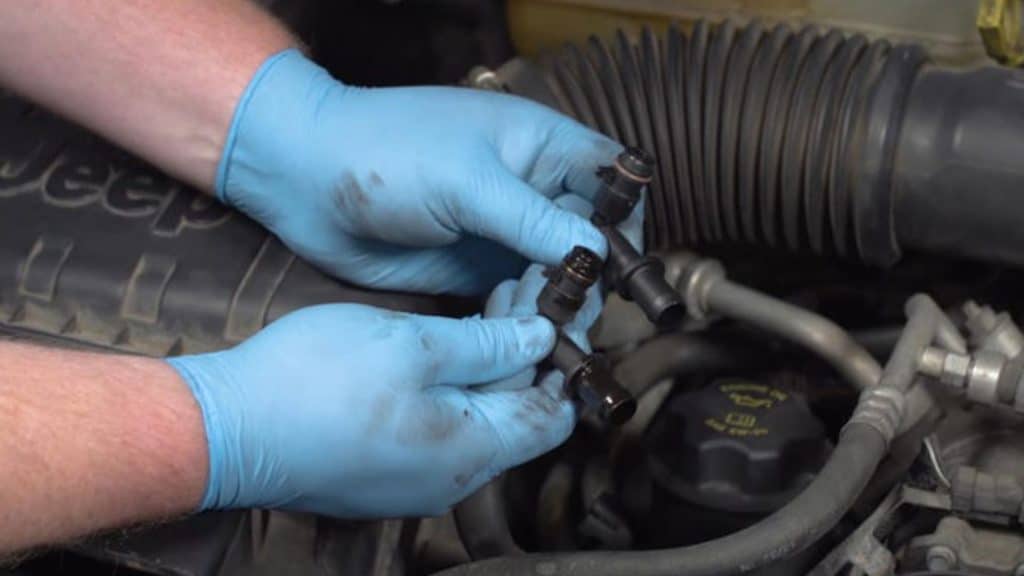
Every car, except for electric vehicles, has an internal combustion engine. This means that the car must move forward due to a series of little explosions in the combustion chambers.
For the explosions to actually happen, the right amount of fuel and air mixture must be present within those cylinders. This is where the intake or inlet manifold comes into the picture. This is a group of pipes that distribute the air evenly among the cylinders.
The discovery of oil within the intake manifold would be shocking for most car owners. Though it seems like a serious condition, the presence of oil within the intake manifold is not a rare occurrence, especially within modern car engines. The good news, however, is that the possible causes of this condition are well understood.
In this article, you will understand why oil ends up in the intake manifold, what symptoms to watch for, and simple fixes you can apply before the problem gets worse.
Let’s get into it!
Learn more about Catalytic Converter with this detailed guide.
What Causes Oil To Leak from the Intake Manifold?
- Faulty PCV valve: A stuck PCV valve allows severe oil vapor or liquid oil to be pulled out from the crankcase to the intake manifold.
- Worn piston rings (engine blow-by): Worn rings allow combustion gases to escape into the crankcase, building up pressure, which pushes oil vapor through the PCV system into the intake.
- Leaking Turbocharger Oil Seals: When the turbocharger oil seals start failing, it results in engine oil seepage into the intake piping, thus accumulating in the intake manifold.
- Excess Engine Oil: If there is excess engine oil, this creates more oil mist inside the crankcase. The result is more intake of this oil mist inside the engine due to PCV.
- Dirty or plugged air filter: A restricted flow creates an area with high vacuum that draws more oil into the manifold.
- Worn-out valve stem seals: These allow oil to seep past the valves when under a high-vacuum engine, thereby accumulating in the intake region.
- High engine mileage or excessive wear: Overall engine wear increases blow-by and consumption of oil, which makes oil contamination in the intake more likely.
Learn more about Service StabiliTrak with this detailed guide.
Watch the video below to learn more on the causes of oil in a car intake manifold and its fixes:
What To Do If Oil Is Dripping From the Intake Manifold?
If your oil is dripping from the intake manifold by following this steps you can solve your problem.
- Stop driving and inspect the leak: If you continue to drive, it can worsen engine damage or create a fire risk if oil contacts any hot components.
- PCV-valve check, hoses: The most common type of engine failure results from a defective PCV system. You need to repair or change the valves as well as the cracked PCV hoses.
- Examining the intake manifold gasket: Verge signs of oil residue. The gasket will have to be replaced if it is worn out or damaged.
- Check engine oil level: Drain additional oil if there is an overfill situation in the engine.
- Look for Turbo Leaks: If present on the vehicle, look for oil residue on the intercooler hoses and pipes indicative of failed turbo seals.
- Clean the intake area: where you suspect the leak is coming from. Remove oil buildup so that the source of the leak should be easily identified when reinspecting it.
- Monitor oil consumption and smoke from the exhaust: Blue smoke or excessive oil consumption may mean internal engine wear.
- Seek professional diagnosis if the leak persists: Ongoing dripping can point to worn valve seals, piston rings, or severe engine wear needing mechanical repair.
Learn more about 120 Dashboard Warning Light Symbols with this detailed guide.
How To Prevent Oil In The Intake Manifold?
As previously said, in order to prevent oil from entering your turbo air intake, we strongly recommend that you regularly clean your air filter and intake manifold. Easy steps can go a long way towards preventing oil leaks in your engine, most especially in your intake manifold.
If you notice any of the worries that we just looked at or if you feel that just one or two are munching on your vehicle at the moment, it’s time to get the job done. If you don’t know anything at all about vehicles, then don’t try to repair them.
How Much Does It Cost to Fix Oil In the Intake Manifold?
The replaced or new intake manifold gasket will cost between $200 and $550. The labor rates will also range from $150 to $250, although the gasket will be less expensive, estimated between $25 to $130.
Your vehicle could have a few manifold gaskets if you have a V6, V8, or similar arrangement. Unfortunately, they all have to be changed at the same time.
However, you also need to take into consideration additional costs that are attached to fees and taxes. In any case, doing an intake manifold gasket replacement is not one of the hardest repairs your vehicle will need.
Learn more about Airbag Light with this detailed guide.
Conclusion
Oil in the intake manifold is usually a symptom of internal engine issues such as PCV problems or excessive blow-by. While slight buildup can be normal, too much oil should be resolved early to prevent performance loss and costly repairs. Routine maintenance and timely fixes are the keys to keeping your engine running efficiently.
FAQs
What are the three signs of a bad PCV valve?
Here is how to know if your PCV valve is bad. In simpler terms, the most popular PCV valve symptoms are the stalling and rough idling, Oil leaks, increased oil consumption, and sludge buildup.
What causes intake manifold problems?
Inadequate intake manifolds can fail due to heat and pressure to which they are continuously exposed. This heat and pressure eventually result in the development of cracks. However, it becomes the duty of the car user to detect this problem and take corrective measures as soon as possible.
What causes manifold failure?
Thermal cycle fatigue: The intake manifold is subjected to cyclic heating/cooling conditions when running an engine, and this may result in manifold failure due to thermal cycle fatigue, particularly when using plastic manifolds.
How much does a replacement intake manifold cost?
The price tag for an aftermarket intake manifold may cost between $100 and $500 for the parts alone. However, several variables may contribute to price differences. Examples of these may be the manufacturer, intended use, and included accessories. It is also likely to cost you additional labor costs starting from $340 to $420.
Can you drive with a faulty intake manifold?
When driving with a faulty intake manifold, it affects the efficiency and risks long-term damage to your vehicle’s engine. When the coolant begins to leak, it can cause overheating, while the air leaks disturb the air-fuel balance necessary for smooth operation.